


1985
JARC Begins in Chicago
JARC grew out of the Jane Addams Center’s economic development work to help preserve manufacturing jobs on Chicago’s North Side.

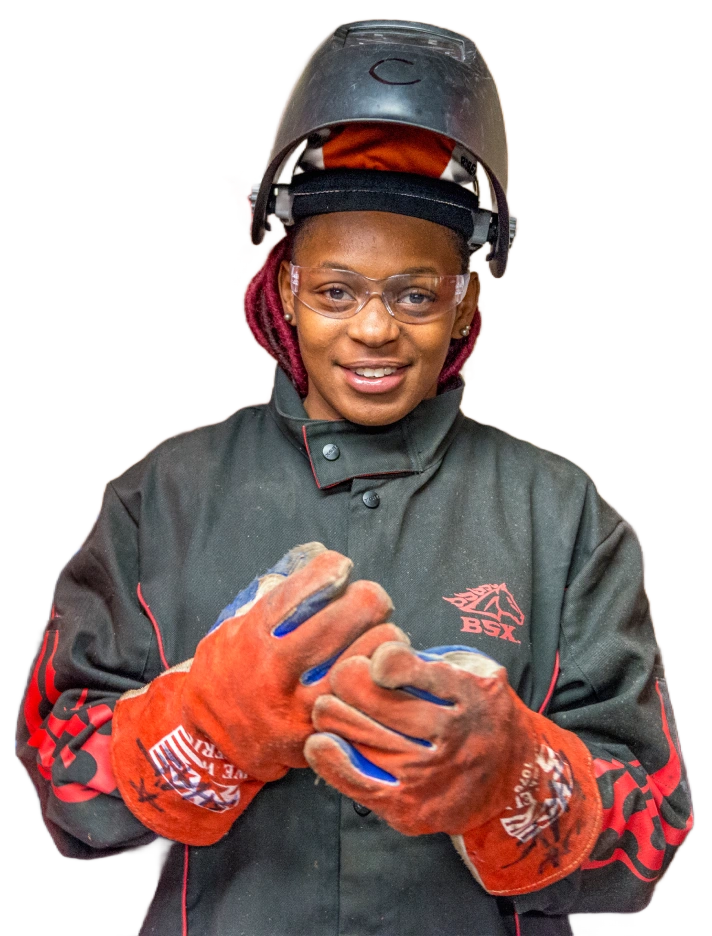
Inspired by that vision, JARC was established to address industrial job retention and economic opportunity on Chicago’s North Side. Emerging from the Economic Development Unit of the Jane Addams Center, JARC began its work by creating pathways to employment and growth through industry-focused initiatives.
More than a century later, Jane Addams’ vision continues to guide everything we do.


Across the country, employers face workforce shortages while thousands of talented individuals struggle to access stable, family-sustaining careers. At JARC, we believe these challenges are connected.
By providing hands-on training, career coaching, supportive services, and employer partnerships, we help individuals gain the skills, confidence, and opportunities they need to succeed while helping businesses build the workforce they depend on.
“JARC is a life-changing decision, and they can help point you in the right direction, wherever you want to go, as long as it’s up.” — Quincey, CNC Graduate
Our history
From a neighborhood effort in Chicago to a growing network of training centers, JARC has evolved alongside the people and industries it serves.
JARC grew out of the Jane Addams Center’s economic development work to help preserve manufacturing jobs on Chicago’s North Side.
JARC formed a 24-member metalworking consortium, bringing local employers together to strengthen the industry and its workforce.
JARC purchased the Raven Building to house manufacturers and expanded training for people already working in the industry.
JARC established a metalworking training center, gained independence from Hull House, earned recognition from the Aspen Institute, and launched Opportunities in Metalworking for job seekers.
Welding, CNC, bridge training, and support services broadened the ways participants could prepare for skilled careers.
JARC expanded its work to Chicago’s Austin neighborhood and established a separate affiliate in Baltimore, extending its training model to more communities.
Freedman Seating offered JARC a permanent home, while the Aspire initiative secured funding to begin renovations.
JARC opened a training center in Providence, Rhode Island, bringing its workforce development approach to another community.
JARC outlined plans to grow welding at Freedman Seating, increase capacity at the Aspire Center, and move CNC training and core operations to Chicago’s West Side.
JARC begins planning potential expansion into Philadelphia and Detroit, exploring how its workforce development model could serve more communities.
As workforce needs continue to evolve, JARC remains focused on expanding access to training, strengthening employer partnerships, and creating new pathways to economic mobility.


© 2026 JARC. All Rights Reserved, JARC

 JARC Chicago
 JARC Rhode Island
 JARC Philadelphia